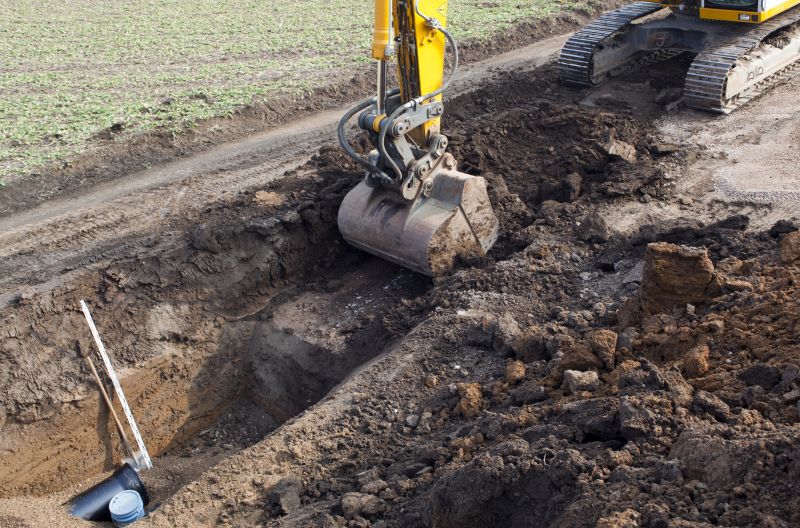
Backhoe Trenching in Houston, TX
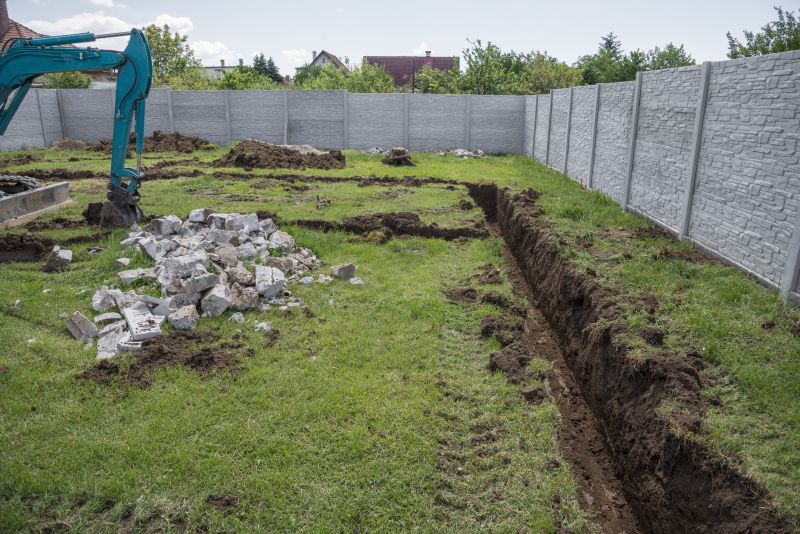
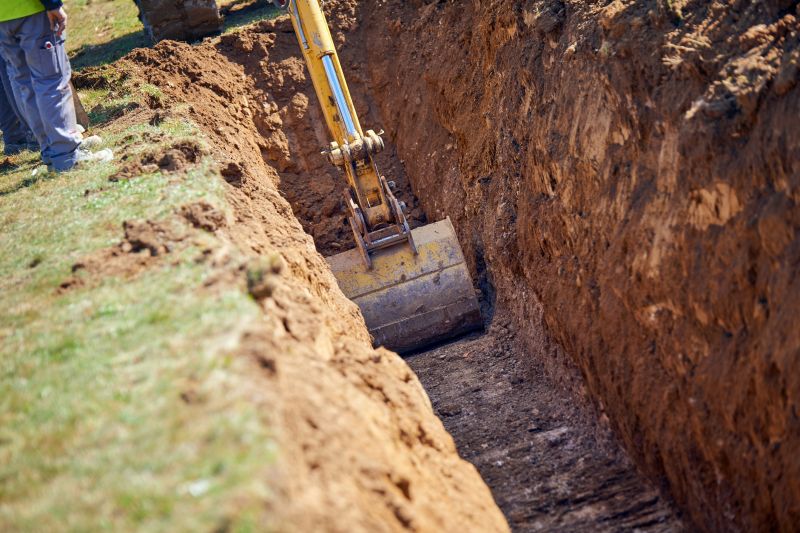
Backhoe trenching services involve the use of a backhoe machine to dig narrow, precise trenches across residential properties. These trenches are often used for installing underground utilities such as water lines, sewer pipes, electrical cables, or sprinkler systems. Property owners typically request this service for projects that require careful excavation in confined spaces, ensuring that the trenches are of the appropriate depth and width for the specific installation or repair work needed.
Before requesting backhoe trenching, property owners should consider the location of existing underground utilities, property boundaries, and the purpose of the trenches. It is also important to understand any local regulations or permits that may be required for excavation work. Proper planning can help ensure the trenches are dug efficiently and safely, minimizing disruption and preventing damage to existing infrastructure.
Many property owners in Houston, TX look into Backhoe Trenching for repairs, replacements, upgrades, and appearance-related improvements.
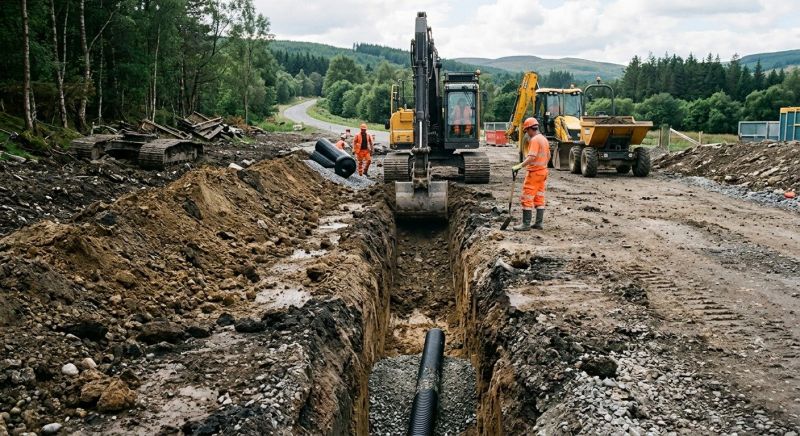
Residential Trenching Solutions
Backhoe trenching is often used for installing utility lines and drainage systems on residential properties in houston.
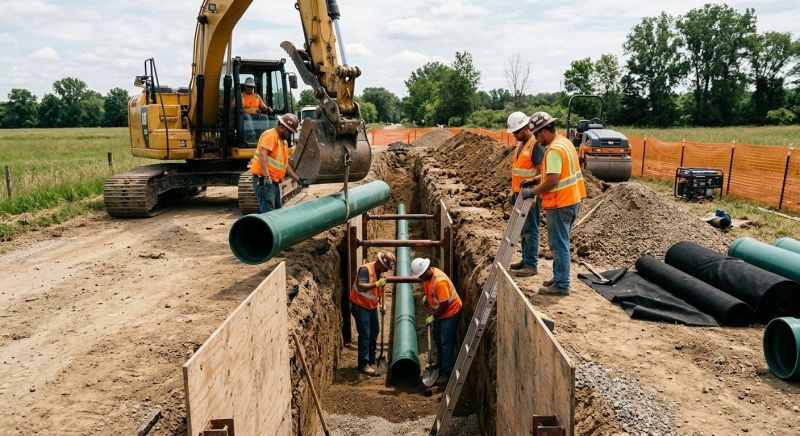
Property Development And Landscaping
Creating foundations for fences, sprinkler systems, or garden beds can benefit from precise backhoe trenching services.
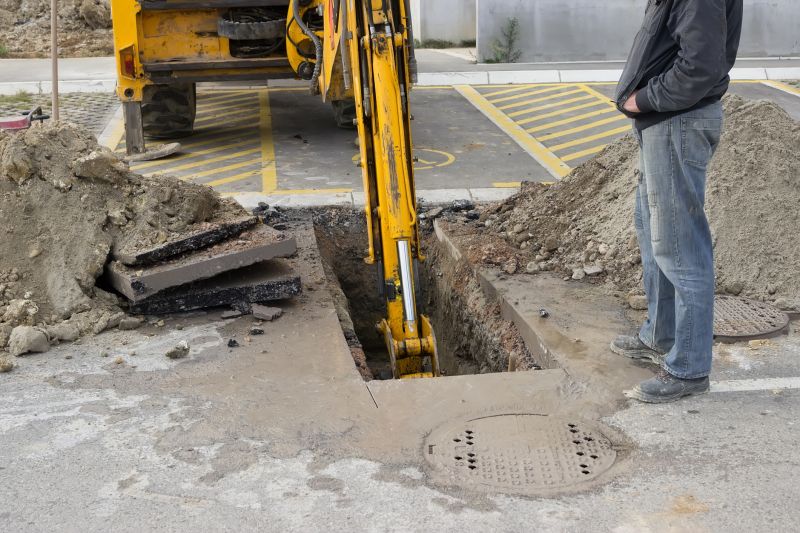
Underground Utility Installation
Backhoe trenching helps efficiently lay electrical, water, or sewer lines across various property types in houston and nearby areas.
Backhoe Trenching in Houston, TX

Backhoe trenching services involve the use of a backhoe machine to dig narrow, precise trenches across residential properties. These trenches are often used for installing underground utilities such as water lines, sewer pipes, electrical cables, or sprinkler systems. Property owners typically request this service for projects that require careful excavation in confined spaces, ensuring that the trenches are of the appropriate depth and width for the specific installation or repair work needed.
Before requesting backhoe trenching, property owners should consider the location of existing underground utilities, property boundaries, and the purpose of the trenches. It is also important to understand any local regulations or permits that may be required for excavation work. Proper planning can help ensure the trenches are dug efficiently and safely, minimizing disruption and preventing damage to existing infrastructure.
Many property owners in Houston, TX look into Backhoe Trenching for repairs, replacements, upgrades, and appearance-related improvements.
Common Backhoe Trenching Jobs
Foundation Excavation - prepares sites for new construction or repairs by removing soil and debris.
Drainage Trenching - installs drainage systems to prevent water buildup around properties.
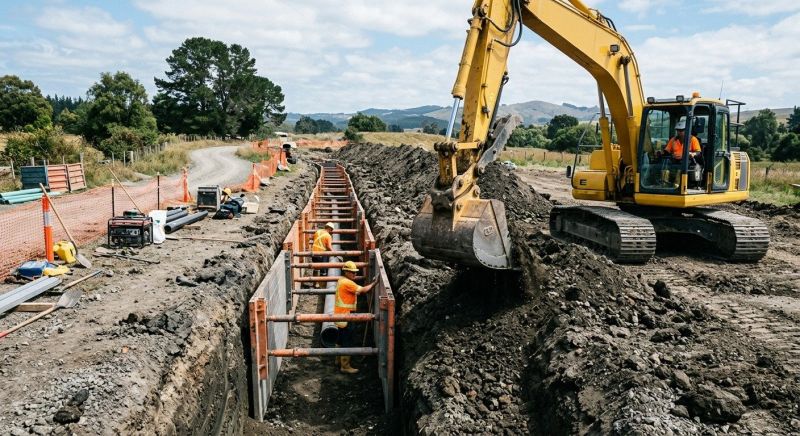
Utility Line Installation - digs trenches for underground water, sewer, and electrical lines.
Landscape and Garden Bed Trenching - creates defined edges and pathways in yards and gardens.
Retaining Wall Foundations - excavates for the base of retaining walls to support soil retention.
Driveway and Pathway Trenching - prepares level trenches for installing new driveways and walkways.
Backhoe Trenching Questions
What is backhoe trenching used for? Backhoe trenching is commonly used for installing utilities, drainage systems, and irrigation lines on residential and commercial properties.
Is backhoe trenching suitable for small or large projects? It is effective for a variety of project sizes, from small yard repairs to larger landscaping and construction tasks.
What should property owners consider before trenching? It's important to identify underground utilities and plan for proper access and site safety during trenching work.
How deep can a backhoe trench typically be? Trenches can usually be dug to depths ranging from a few inches up to several feet, depending on project requirements.
Request Backhoe Trenching in Houston, TX
Use the quote form on this page to share the basics of your project and request more information for the type of work you need.